A 10-Year Strategy to Grow Celine's Brand Equity
OVERVIEW
A 10-year brand equity strategy for Celine — built around editing the category mix, not adding to it. Delivered as a three-step plan grounded in Keller's Brand Equity Pyramid.
Celine is one of the most strategically interesting maisons inside LVMH — a house whose equity is built on editorial discipline and whose category mix has quietly grown more complicated over the past decade.
Developed in SCAD’s LXMT 730 Art of Luxury studio with Anushka Khale, Nimrata Singh, and Sanjana Sainath Rao.
PROBLEM
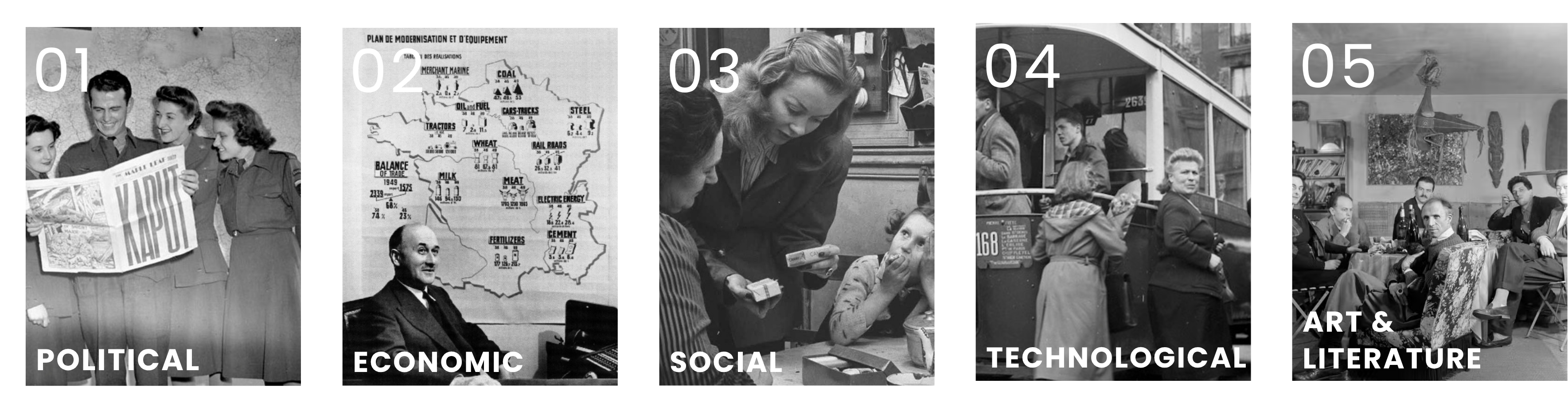
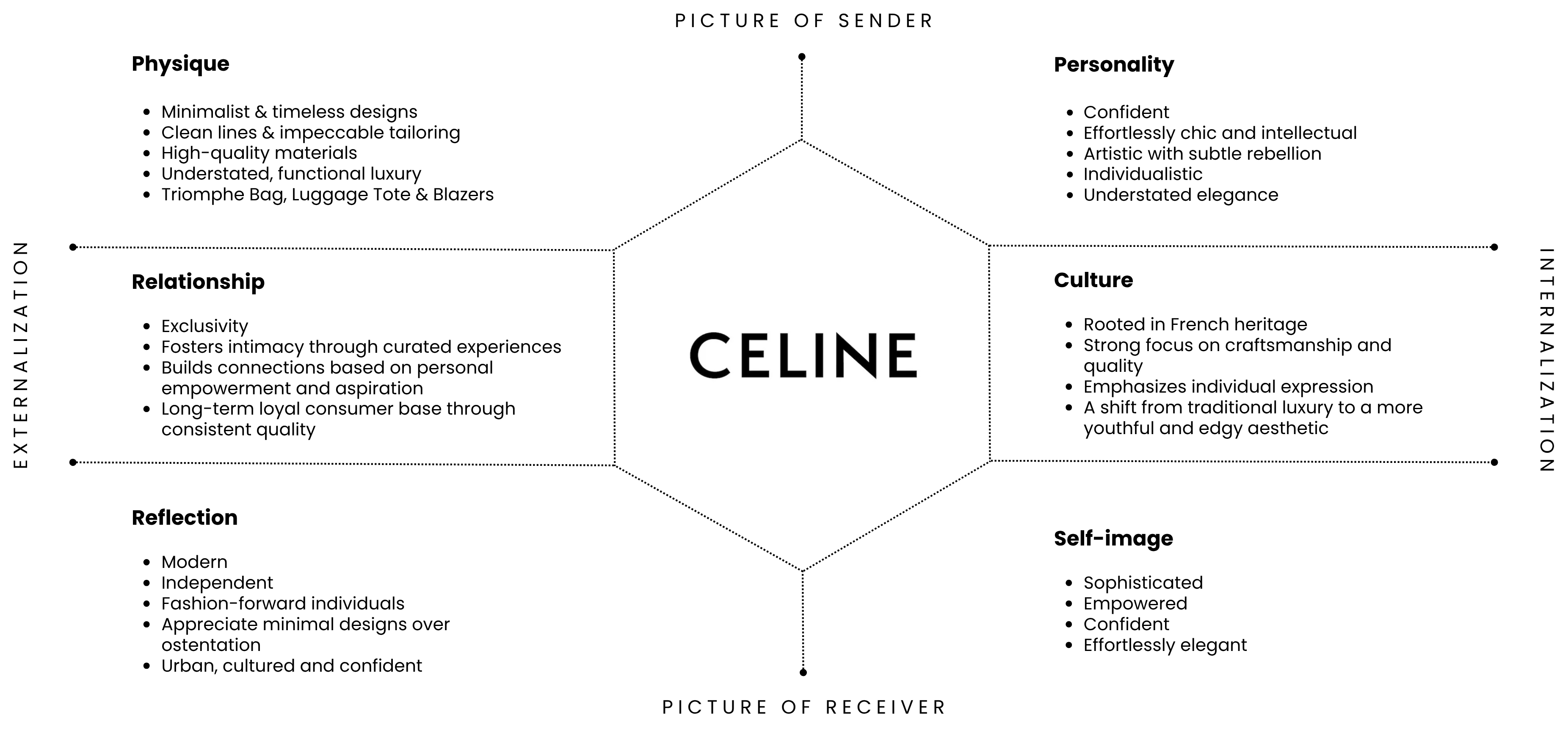
How should Celine grow brand equity over the next ten years without diluting what makes the maison recognizable? A full brand audit and SWOT mapped the answer: the maison's real equity sits in editorial discipline and leather; the risk sits in the volume of categories that compound neither.
- Brand audit — heritage codes, category mix, distribution, pricing
- SWOT analysis — strengths and weaknesses against market threats and opportunities
- Competitive positioning against peer LVMH maisons and adjacent houses
DECISIONS
A three-step plan, each move chosen because it protects or compounds the maison's core equity rather than adds to it.
Step 01 — Withdraw underperforming product lines
Discontinue categories that dilute the brand and reallocate capital to product innovation, training future artisans, and experiential inclusivity. Untapped potential unleashed, selective awareness built with the customers who matter, unpretentious exclusivity restored through a curated assortment.
Step 02 — Focus on the core category: leather goods
Leather is Celine's strategic spine. Recenter the maison on craftsmanship, heritage, and discreet power. Subtle branding replaces overt logos; signature silhouettes anchor identity while allowing creative evolution.
Step 03 — Résidence Triomphe · Les Mains de Céline in Chianti
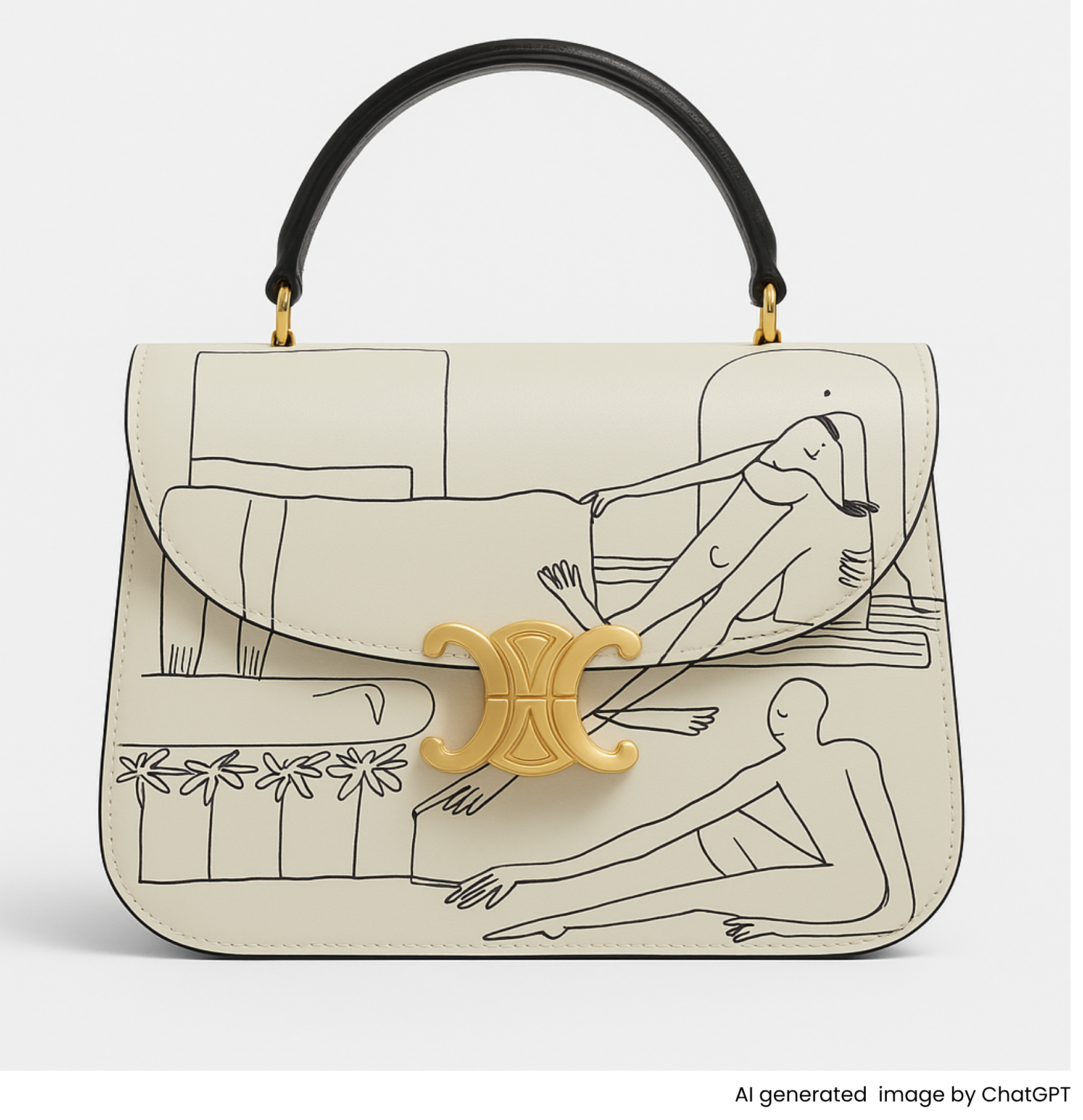
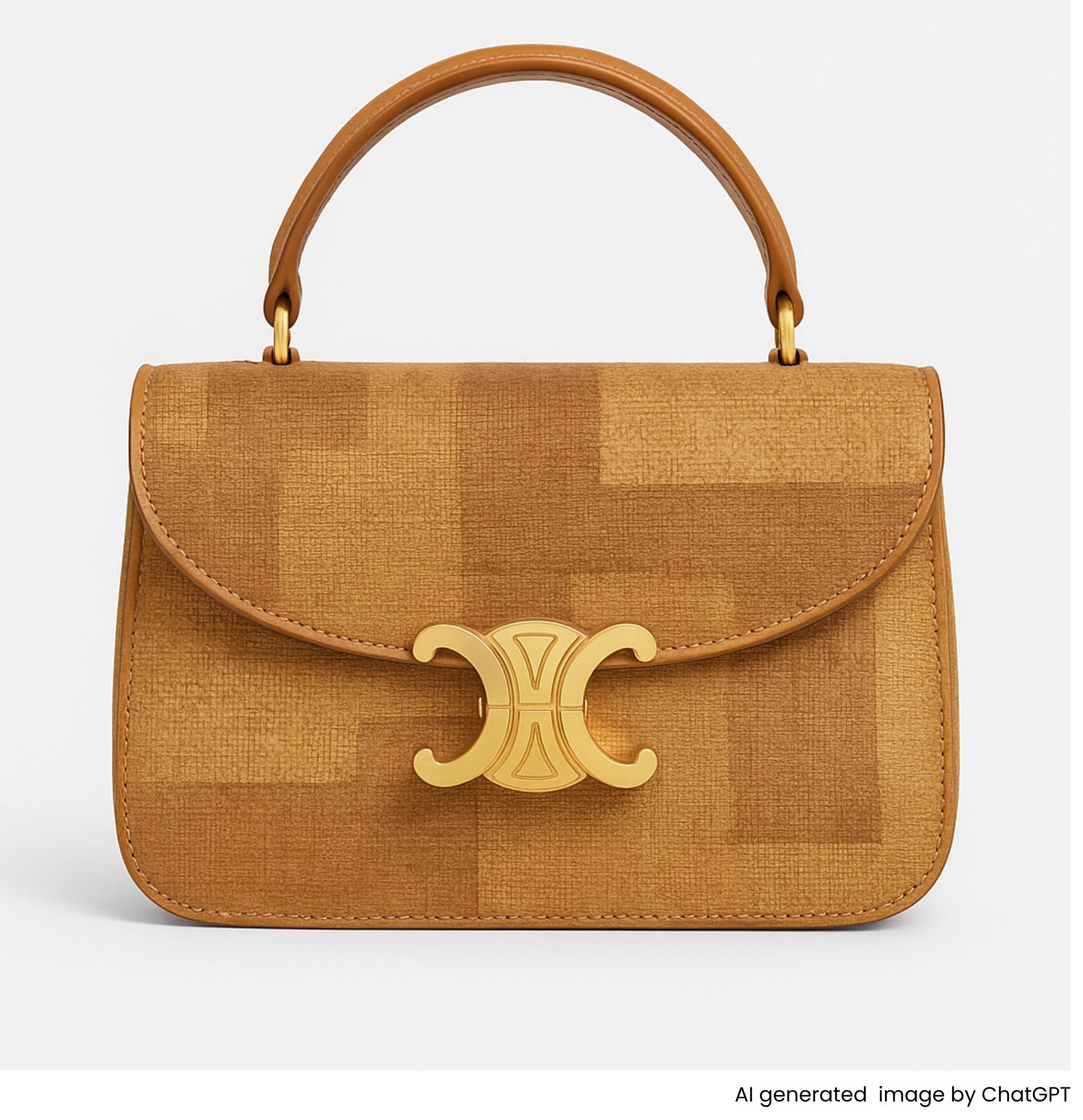
Open a leather goods experience at La Manufacture in Chianti, invite-only through the maison's curated mailing list. Pair with Résidence Triomphe, an artist-in-residence program producing limited-edition Triomphe bags (early concept proposals include collaborations with Christina Quarles and Manish Nai). Craftsmanship becomes a destination, not a marketing asset.

OUTPUT
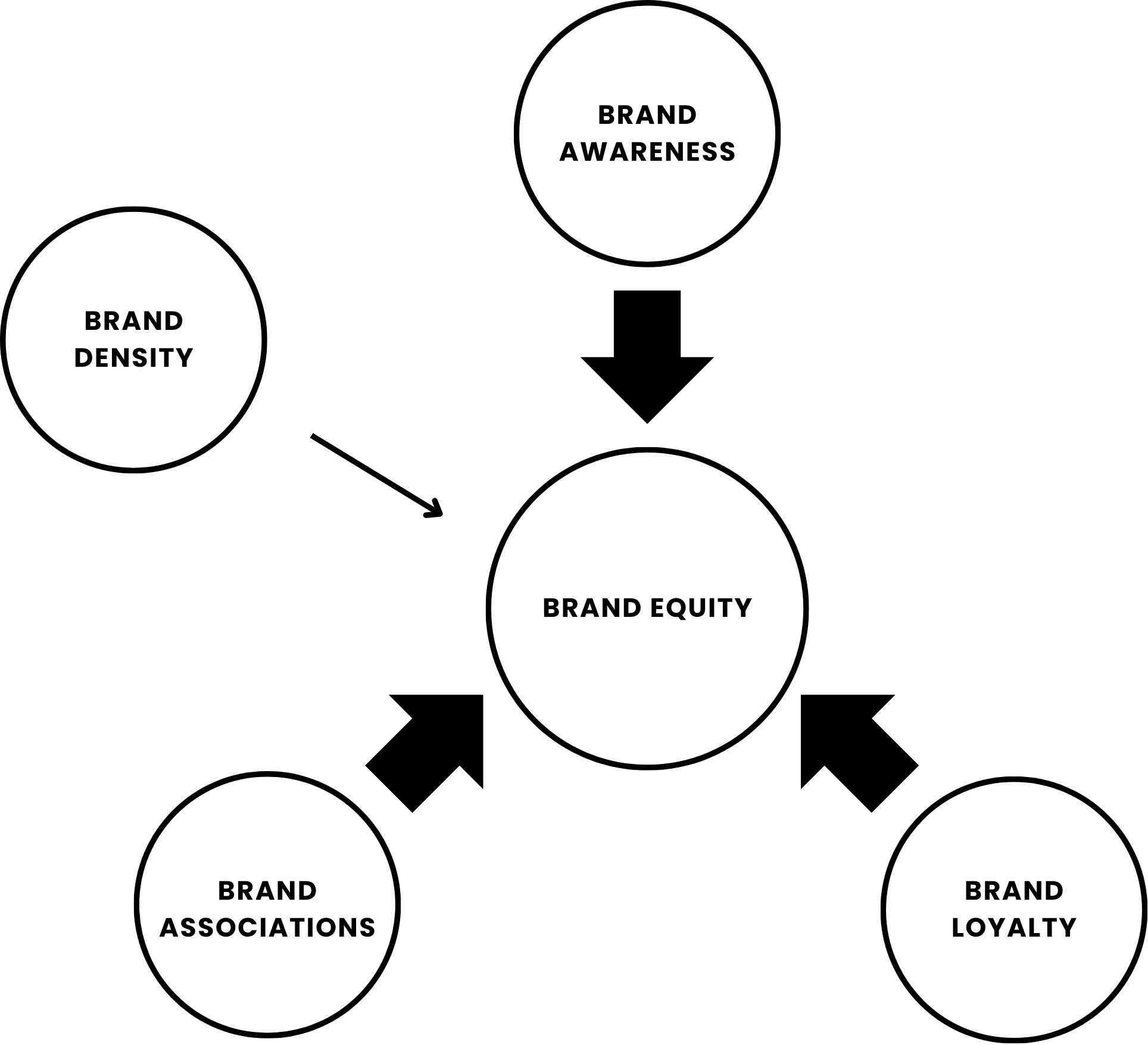
A full ten-year strategic plan mapped against Keller's Brand Equity Pyramid — salience, performance, feelings, and resonance — with each pillar tied back to one of the three decisions above.
- Salience — elevate awareness by spotlighting iconic leather goods, craftsmanship, heritage
- Performance & Imagery — reinstate minimalism, French heritage, and craftsmanship as the maison's signals
- Feelings — consumers feel empowered, confident, exclusive; the maison stands for timeless design and discreet power
- Resonance — the loyal customer becomes an advocate through invite-only events at La Manufacture and Résidence Triomphe
REFLECTION
Celine's strategic advantage is a maison whose growth is editing, not addition. The ten-year plan held because every move either removed something that diluted the brand or deepened the one thing the brand already does best.